Discover the Benefits of Aluminum Casting in Modern Production
Aluminum casting has actually emerged as a pivotal process in modern-day production. Its lightweight yet robust nature presents substantial advantages for different industries. The ability to accomplish complex styles and keep tight tolerances contributes to its allure. Aluminum Casting Company. In addition, the cost-effectiveness and environmental benefits make it a sustainable option. As manufacturers seek ingenious solutions, the role of aluminum casting remains to advance. What certain applications and advantages wait for expedition in this dynamic area?
Light-weight Yet Solid: The Advantages of Aluminum
Many materials are used in manufacturing, aluminum stands out due to its impressive combination of lightweight residential or commercial properties and phenomenal stamina. This unique quality makes aluminum a suitable choice for various applications, especially in markets such as auto, aerospace, and building and construction. Its low thickness enables for simpler handling and transport, contributing to minimized energy usage throughout production and assembly processes.
Aluminum's strength-to-weight ratio is remarkable, allowing manufacturers to develop long lasting elements without adding unneeded bulk. This particular is especially beneficial in fields where weight reduction can result in improved gas effectiveness and total performance. Furthermore, aluminum's resistance to deterioration boosts the longevity of products, additionally solidifying its appeal in modern production.
Eventually, the light-weight yet strong nature of aluminum positions it as a recommended product, promoting advancement and efficiency across numerous fields. Makers significantly recognize that these advantages can result in considerable advancements in design and performance.
Precision and Complexity in Layout
As producers accept the capabilities of aluminum casting, they find new opportunities for precision and complexity in design. This production process permits for the creation of complex forms and in-depth attributes that conventional approaches frequently struggle to achieve. The fluidity of liquified aluminum allows it to fill complex mold and mildews, leading to elements with tight tolerances and great surface area coatings.
This precision is particularly advantageous in industries such as aerospace and auto, where precise specs are essential for performance and safety. Aluminum casting also accommodates ingenious styles that boost performance without endangering architectural integrity.

Cost-Effectiveness and Effectiveness
Cost-effectiveness and efficiency are extremely important factors to consider for producers discovering aluminum casting as a production approach. Aluminum casting offers significant cost benefits because of its reduced material costs contrasted to other metals (Precision aluminum casting). The light-weight nature of aluminum reduces delivery and handling costs, and its excellent thermal conductivity permits quicker cooling times during the casting procedure, enhancing general manufacturing speed
Furthermore, aluminum's flexibility makes it possible for manufacturers to develop complicated shapes and styles, decreasing the demand for added machining or setting up. This streamlining of production not only lowers labor prices however also shortens lead times, permitting companies to respond promptly to market needs.
The durability and corrosion resistance of aluminum spreadings contribute to longer item life expectancies, minimizing substitute costs over time. As a result, producers can achieve a balance of high-grade output and reduced functional costs, making aluminum casting an increasingly eye-catching option in modern production.
Ecological Sustainability of Aluminum Casting
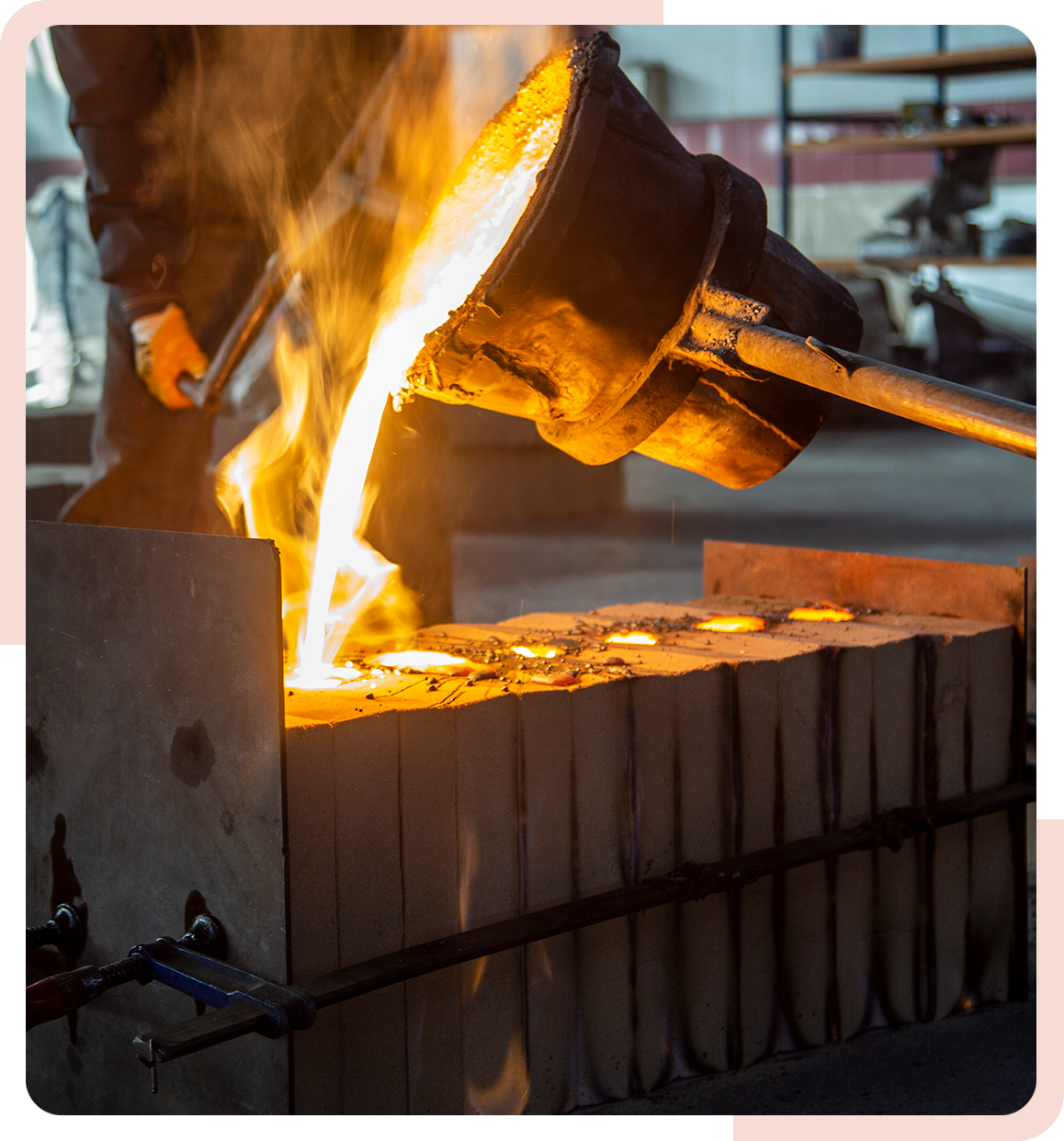
Aluminum casting sticks out as an environmentally sustainable production choice, especially due to its recyclability and decreased eco-friendly impact. The procedure enables for the efficient use aluminum, a material that can be recycled indefinitely without losing its homes. This characteristic substantially lowers the demand for virgin aluminum, thus saving natural sources and lessening power intake related to removal and processing.
Applications Throughout Industries: From Automotive to Aerospace
While varied markets remain to seek cutting-edge products for manufacturing, aluminum casting has confirmed to be a flexible remedy throughout sectors such as auto and aerospace. In the vehicle market, aluminum spreadings add to lightweight automobile styles, improving gas efficiency and performance. Elements like engine blocks, transmission housings, and wheels benefit from aluminum's strength-to-weight ratio.
In aerospace, aluminum casting plays a substantial role in creating complicated components that require high resilience and reduced weight. Aircraft components such as brackets, touchdown gear, and architectural frames utilize aluminum for peak performance and security.
In addition, the versatility of aluminum casting allows it to accommodate various other markets, consisting of consumer electronic devices, marine, and industrial machinery. This versatility not just meets the particular requirements of different applications however additionally supports ongoing technology in producing procedures. Therefore, aluminum casting continues to be a principal in contemporary production across numerous markets.
Frequently Asked Questions
How Does Aluminum Casting Compare to Other Metal Casting Processes?
Aluminum casting deals premium strength-to-weight ratios, faster cooling rates, and outstanding deterioration resistance compared to other steel casting processes. These advantages make it excellent for different applications, boosting efficiency and performance in production.
What Are the Regular Lead Times for Aluminum Casting Projects?
Regular preparation for aluminum casting tasks vary from two to eight weeks, depending on factors such as complexity, order size, and production capability. Reliable planning can aid lessen hold-ups and enhance project timelines.
Can Aluminum Casting Be Used for Intricate Designs?
Aluminum casting can certainly suit elaborate designs. aluminum casting. Its fluidity permits comprehensive patterns and shapes, making it suitable for complicated elements in various industries. This versatility improves layout liberty while keeping structural honesty and performance
What Post-Processing Options Are Readily Available After Aluminum Casting?
Post-processing choices for aluminum casting consist of machining, brightening, surface therapies, anodizing, and welding. These strategies improve the surface, boost dimensional precision, and boost rust resistance, thereby maximizing the last product's performance and visual appeal.
Just How Do Temperature Modifications Impact Aluminum Casting Top Quality?
Temperature adjustments substantially effect aluminum casting top quality by impacting fluidity, solidification rates, and prospective defects. Quick cooling can bring about boosted brittleness, while too much warmth may cause bending or incomplete dental filling of molds throughout casting.
Aluminum casting has emerged as an essential procedure in contemporary manufacturing. As producers welcome the capacities of aluminum casting, they find brand-new avenues for precision and intricacy in design. Aluminum casting processes normally produce less greenhouse gas emissions contrasted to various other steel casting approaches. While varied sectors proceed to look for ingenious materials for manufacturing, aluminum casting has shown to be a functional service across industries such as auto and aerospace. In the auto market, aluminum spreadings add to light-weight vehicle styles, improving gas efficiency and performance.